Showing posts with label Home Design and Curb Appeal. Show all posts

Thursday, March 31, 2016

What style says "You'?

Every house has a style. Sometimes it has two or more; because of renovations and new, eclectic mixes, fitting a home into one specific category can be daunting or even impossible. 

Guide to Residential Styles 


 Let me help you find your style!

Wednesday, March 30, 2016

Curb Appeal Musts to Try before Putting up the For Sale Sign

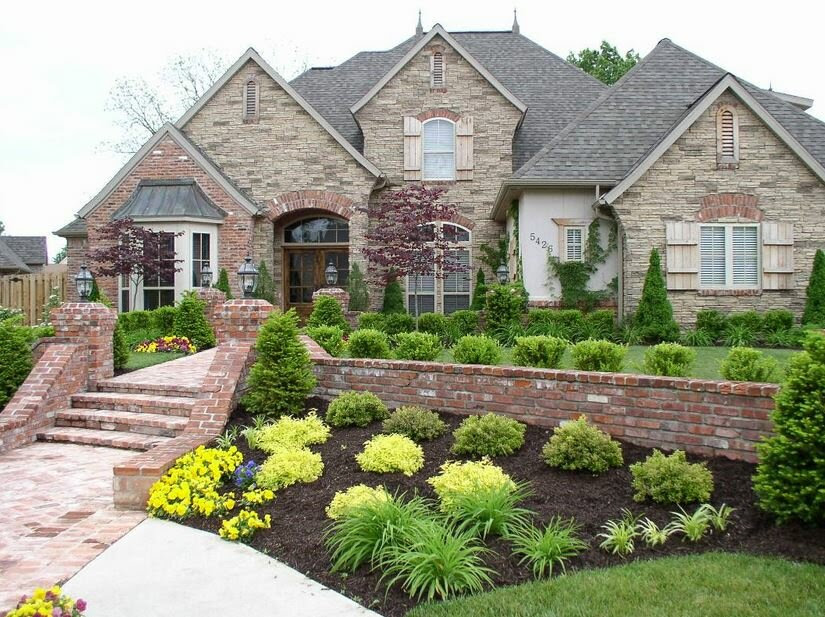
Curb appeal is one of the most important factors in selling a home. That first impression as a potential buyer drives by may determine if they ever even take a tour of your brand new kitchen or updated master suite. Before you even put up that for-sale sign, try a few of the following ideas to update your exterior.

Curb Appeal Musts to Try Before Putting up the For Sale Sign 1

Basic Repairs
Repairs and updates don’t have to be expensive. Replace old gutters and down spouts that show rust or peeling paint and replace with new, snap-fit vinyl systems. If you don’t have time or money for a fresh coat of paint on the whole house, consider just freshening up trim and door paint.

Give the Entryway a Face Lift
Although replacing a front door can be hugely expensive, there are a few other ways to dress up the entryway for an inviting first impression. A bit of paint and molding can make a big difference. A couple of coats of paint lend a bright, up-to-date appearance, while the addition of molding can give the impression of a grand entrance, and it’s available in a wide range of designs and prices.

Camouflage Eyesores
Cables, huge electric boxes, air conditioners, piping, and vents can stand out like sore thumbs around the house. You can’t get rid of them, but you can improve your home’s aesthetics by painting these types of items the same color as the house to help them blend in. For larger items, a small lattice fence with or without panels can provide a little cover, and if trash bins can’t be placed in back, surround them with a fence or even small storage shed.

Bring on the Blooms
There are loads of cheap and easy ways to add greenery and color for a quick facelift. Weed out existing gardens, clear debris, and add some new mulch for a spring-fresh appearance. If edges are old or tired-looking, put up some decorative stone or brick edging. Pick up some pretty containers and fill with a riot of cascading blooms and small shrubs, and then create a dynamic setting by using a staggered arrangement. Flower boxes add welcoming dashes of color to the front of the house and are cheap and easy to install. Boxes made from painted wood lend a charming, cottage-like appeal, while copper or iron are more classic looks.

Illuminate the Night
Lend curb appeal even in the dark by installing outdoor lighting. Many potential buyers may drive by later in the day, and the addition of front yard illumination adds a welcoming, magical appeal. Solar spotlights look great, especially shining on trees or boulders and add nothing to your electric bill. Walkway lights or tiny fairy lights on decks are other pretty additions to think about.

Make a Walkway
Create a more inviting path to your home by putting in a walkway or stone or brick. You can also resurface existing walkways and add brick or stone edging. Not only will this cover up worn spots of grass where you usually walk, but it will lend a more gracious appearance to the front yard.

Add Shutters or Accent Trim
Shutters and trim add a fresh, more updated look to the exterior. Made of wood, aluminum, or composite, shutters can make windows appear larger, and have the added bonus of adding light and ventilation.
Curb appeal is important in the sale of your home, but doesn’t have to hard to install. Once you put the For Sale sign up, the rest is a piece of cake.

About the author: Brooke Chaplan is a freelance writer and blogger. She lives and works out of her home in Los Lunas, New Mexico. She loves the outdoors and spends most her time hiking, biking and gardening. See if you can save more money by usingHomecodec to sell your property yourself. For more information contact Brooke via Twitter @BrookeChaplan.

Wednesday, March 23, 2016

How does your garden grow?

The Benefits of Gardens

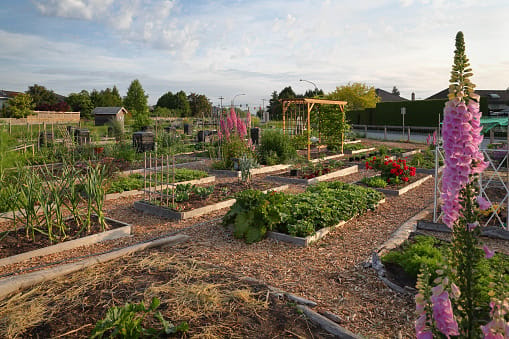
It seems as though in the past few years gardening and backyard farms have become more and more popular throughout the United States. With spring quickly approaching in the northern hemisphere, many homeowners throughout the U.S. will take to the outdoors with the intention of sprucing up winter-wrecked yards. While many homeowners will concentrate on their yard, many others will focus on their backyard gardens. Traditionally, a garden is assumed to be a place to grow fruits and vegetables, but gardens can take on a many different looks and styles. Whether mainly for food, or for the beauty and aroma only flowers can produce, home gardens have a number of benefits for homeowners, and should you consider giving your yard a revamp this spring, consider adding a garden or a small garden area to your outdoor space.


Benefits of Home Gardens

Gardens, whether for the joy of flowers or for fruits and vegetables, come in a number of shapes and sizes. While providing a great sensory experience and a way to reconnect to the natural world around us, gardens also help to keep the body limber and improve overall mood. A study done in the Netherlands suggests that the relaxing nature of gardening can help fight stress, and a study in Norway found that people who suffered from depression and other mood disorders showed measurable improvements in their symptoms after three months of gardening (where six hours per week were spent in the garden). If you're not interested in the potential health benefits of gardening, adding plants and flowers to your yard is a great way of updating a meager outdoor space and makes a backyard more enticing to potential buyers from additional textures, scents and organization. Also, adding touches of color by way of plants and flowers is an excellent way of improving curb appeal should you consider putting your home on the market in the coming months.


Community Gardens

Don't have time for an outdoor garden, or are you lacking a space large enough for a garden? There are a number of alternatives to bring the joy of gardening into your home or life. A very popular option that has popped up around the U.S. is community gardens. Located throughout communities from the east to the west, community gardens have helped provide a place of retreat from urban areas plagued by noise, or for those individuals who want a relaxing place to go to when they have free time. Community gardens provide a number of benefits, from a place for recreation and exercise, to providing health benefits by easing stress and helping to improve overall mood. Studies have also shown that those who participate in a community garden generally eat healthier, more nutrient dense diets, and a community garden helps to create and foster relationships throughout a community.


Container Gardens

Another option for those who don't have a yard or outdoor area large enough for a traditional garden is a container garden. Another trend gaining popularity throughout the U.S., container gardens allow homeowners to have small gardens in tight spaces. Plants (which can be anything from traditional flowers and shrubs to fruits, vegetables and herbs) are placed in containers, usually one plant per container, and allow the gardener the ability to choose specific plants for their needs and wants. Only interested in succulents, or just interested in plants that require little water and maintenance? A container garden is a great option. Container gardens can range from small to robust, and they provide an excellent alternative to a traditional garden. Other popular options for 'alternative' gardens are hanging gardens and indoor gardens. These gardens can be fully indoors and very much take on a container garden feel. Container gardens can also help add pops of color to porches and patios, and they are a great way of adding appeal to drab areas for potential home viewings.


Backyard Farm

Do you feel particularly adventurous when it comes to adding a garden or outdoor feature? If you have the time, resources and space, consider a backyard farm. Chickens have become a popular backyard feature throughout the U.S., in both urban and rural communities. Chickens can provide a number of benefits to a yard or outdoor area: they act as natural pest control; they produce eggs; they will eat table scraps as well as weeds and garden clippings, and chicken manure is also considered one of the best fertilizers for gardens due to its high nitrogen, potassium and phosphorous content. While not for every homeowner, backyard chickens can be fun for every member of a household.

Friday, February 26, 2016

Lets talk -- Man Cave

6 Things to Consider Before Finishing Your Basement
Is this winter’s bout of cabin fever got you dreaming of more space in your home? Do you find yourself fantasizing about a separate room where you can cloister the kids when it’s too cold for them to play outside? Your solution may be right beneath your feet. Here are few things to keep in mind if you’re considering refinishing your basement.
1. Water, water, anywhere?
Have a pro come in and investigate any evidence of water damage in your basement. You’ll need to resolve any moisture issues before you begin remodeling. 
2. Know the code
Before you design your dream basement, check the municipal code for any restrictions that may impact your project, such as the number of exits required or regulations about adding bathrooms and kitchens below the main floor of your home.
3. Kill the chill
Check with a contractor to find out if there are ways to adjust your home’s current ventilation and heating configuration to efficiently heat your basement. Installing quality flooring can help with insulation.
4. Light up your (underground) life
Avoid creating a well-decorated dungeon by installing adequate lighting, especially if there are no windows.
5. The right steps
Don’t skimp on the stairway. Carpeting on the stairs, bright lights and handrails make access safer and more inviting.
6. Turn down the volume
If you have plans for an entertainment center, consider installing sound insulation in the ceiling to help tone things down.
Not sure if turning your basement into an underground oasis is worth the investment? Talk to a local agent familiar with your particular market and find out which features buyers have been looking for. Find one here: www.remax.com/officeagentsearch/wisconsinhousehunt.com.

Monday, February 22, 2016

Stage for the selling season.....

Fall, Spring, Summer or Winter - Homes sell all season long.

Give your home some added seasonal curb appeal by decorating!

If you’re selling your home in today’s real estate market, you probably know that curb appeal is your first chance to make an impression on a prospective buyer. In the first few seconds a potential buyer sees your home, they decide if they want to drive on by or come on in. You can’t change the basic structure of the house or change the location, but you can make your home worthy of a deeper look.

Maintaining curb appeal is a year round job, with different challenges each season. For winter, decorate with wreaths and pine cone centerpieces. In spring, adding fresh-cut flowers and pops of color go along way. If selling in the summer, highlight decks and patios. For fall, display pumpkins and gourds by your entryway.

The impression your home creates is the magnet that first attracts viewers and turns them into buyers. Maintaining curb appeal is a year-round job, but it’s a vital part of selling your home.

Any season is the best season to call Lisa Bear of RE/MAX Realty Center to help sell your home!

262-893-5555


Tuesday, February 2, 2016

Watch the snow from this room...

This is a perfect place to sit and watch the falling snow, complete with natural fireplace. And it just so happend the house is for sale! Beautiful 3 acre setting is perfect for this room of windows! Contact me today!


Friday, January 29, 2016

Ease - yyyyy

The 10 Most Important, Cost-Effective, Easy Fixes When Selling Your Home !

1. Master bedrooms and baths should appeal to both sexes - if yours is gender specific, balance it with some masculine/ feminine accessories - pillows, art, greenery, a well placed throw and use neutral bedding - your grandmother's homemade quilt isn't going to cut it!  

2.  Walk through each room as if you were a buyer  - can you move freely about? If not, open up the space by eliminating excess furniture to create easy traffic flow. when selling - less is always more!

3. If possible rent a small local storage space to put excess furniture, personal items, knickknacks - anything that clutters the home and causes distractions - after all, you're selling your home, not your lifestyle. (This also eliminates a lot of stress down the road when the buyer is ready to move.)

4. Assess the color palate of your home --make sure it's uniform throughout and stick to neutral or modern colors - this creates continuity. Add pops of color using accessories like pillows, art and a throw.

 5. Think upscale hotels - clutter free, updated and designed to appeal to the masses. If you have dated  boarders or wall paper take it down - this is one of the biggest turnoff to buyers and they often move on. (I've heard of homes for sale labeled as the "wallpaper" home and it's not a compliment! 


6. Don't assume buyers won't look in cabinets, closets, basements and attics. 
Storage is key for buyers and they want to see if the home has enough space to accommodate their stuff. Organize, or better yet store it- this demonstrates to buyers that indeed their things will fit and is a big selling advantage.

7. Clean, Clean, clean - It's the easiest, no cost, effective fix and this can't be emphasized enough - nothing turns a buyer off more than a messy, dirty or smelly home - this will send buyers running for the door - trust me on this one!

8. Open all blinds, eliminate heavy window treatments and let the natural light shine in - this cheers up and brightens the home, making it feel airy and more spacious - and, it's so easy! If you have dated vertical blinds, it best to take them down

9. Fix leaky faucets, broken screens, door hinges, door bells or running toilets - Yes, I'm going to beat a dead horse, but these are big turnoffs and don't invoke any confidence in the buyer that your home is well taken care of - you know the kind of homes we all want to buy!


10. Make sure your MLS photos are GREAT - 80% of buyers shop online before ever stepping out the door with their Realtor!

Okay, so I lied,  #11 - drum roll please... 

My list wouldn't be complete without strongly suggesting hiring a professional stager who is trained to prepare your home for the market, using proven techniques to enhance, highlight and showcase your home it its best possible light and appeal to the most buyers


Home and Curb Appeal LLC-  Lisa Bear  - (262)893-5555

When you're looking to sell quickly and for top dollar,  Home and Curb Appeal LLC - Lisa Bear knows how to get the job done right. We will use proven techniques to create warm, inviting, updated spaces that will appeal to the masses. In today's competitive market, every home can use an edge and that's what  Home and Curb Appeal is all about.

Courtesy of  Lisa Bear  RE/MAX Realty Center

Thursday, January 28, 2016

Take a good look

Don't Overlook a Home's Potential

Cosmetic issues are easy to remedy


Home shopping for first-time homebuyers it's an exciting, albeit nerve-wracking, experience. If you're like others in the market for their first home, you probably have in mind exactly how your soon-to-be home will look.
 
But it's important not to fall into the bad decorating, dingy walls and dirt-bare back yard equals bad-home trap. If you don't see past the hideous wallpaper, funky light fixtures and avocado green carpeting, you may miss out on a home with great potential.
 
And, if you're looking for a home in a seller's market where homes are being snatched up as soon as they go on the market, you'll come to realize you can't be choosy if you want to make a competitive offer.
 
One of the first things to do is to get pre-approved for a loan and determine the maximum you can afford to offer for a house. Don't look at homes that are asking for more than 5 percent above your maximum, otherwise you'll be setting yourself up for disappointment if you find the perfect—but outside your budget—home.
 
So what to do?
 
The floor plan of the home is extremely important. If a floor plan isn't quite to your liking, consider rearranging it or adding on. If you're looking at an existing home and will need to remodel or expand to suit your needs, the estimated cost of renovation needs to be considered when making an offer.
Also, consider the features of a home:
  • Walls. While these are among the easiest to remedy, they also make a huge first impression. If the walls need to be painted, are covered in wallpaper or are painted a color you find distasteful, picture them crisp and clean in the color of your choice—that's how they could look after you paint them.

  • Floors. Like walls, carpet or floor surfaces that are old or outdated can be easily replaced. You could even ask for a carpet allowance in your bid, especially if you're in a buyer's market.

  • View. Things like old, ugly—even dirty—windows and window treatments can make a view appear less desirable. Those things can be improved, so unless the only view you have is of your neighbor's clunker on the side of the house, don't get hung up on what is surely a fixable view.

  • Landscaping. Your best bet is a moderately landscaped yard because you can always improve landscaping without spending too much. Worst case, even if you're looking at dirt, landscaping is one of the easier projects to tackle. Plus you get to design it however you'd like if you're starting from scratch.

  • Closets and garages. You can never have too much storage space, which is why so many newer homes have three-car garages. But if you encounter a converted garage that is now a bedroom or storage room, don't give up. Converted garages can almost always go back to their original purpose without much cost or labor.

  • Kitchen. The most popular room in the house, many homeowners want their kitchen to be large and have modern appliances. Don't let outdated color schemes deter you because there's nothing like a fresh coat (or two) of paint to make a kitchen your own. Plus, if you like the rest of the house enough to make an offer, you can give the kitchen a minor spruce-up with some new appliances or a major overhaul complete with new countertops, cabinets, and flooring.

  • The exterior. If the home doesn't have good curb appeal, try to picture it with a fresh coat of paint and revitalized landscaping.

  • Pools. If you want a pool, buy a home with a pool already built in. Pools are expensive and you will not get a full return on the cost when you go to sell. Let someone else lose the return. The cost of repairing a pool is less than putting one in, so if you're looking at a home with an old pool that looks like it's in bad shape, it's still a better bet than putting one in later.

When making an offer, consider what you can't live without, as well as your budget. Also, be sure you hire a professional home inspector to inspect the house. If the home's systems are in good working order and the house has everything you want except a minor item or two, make an offer accordingly.
 
Most importantly, keep in mind that unless you're building your dream home from scratch, you'll probably never find the perfect home. But seeing past a previous owner's bad decorating choices to the core of the home and its potential for livability will yield you the home you've always wanted. It may take some work, but hey—it's yours.

Wednesday, January 27, 2016

It's Open house time --- Are YOU ready?

5 Ways to Prep Your Home for an Open House


Preparing your home for an open house can be a little like getting ready for a blind date. You don’t know what you may be facing but it is important to look your best. Open houses can often be stressful for homeowners because they know that strangers will be tromping through the door evaluating every last detail. You know the home needs to be as clean as possible but here are a few other things to keep in mind as you prepare.

Depersonalize as much as you can: You don’t want strangers seeing all your personal stuff and that’s reason enough to put photos, awards and sentimental objects elsewhere but there’s another reason as well. All that stuff is distracting and your potential home buyer could spend more time looking at what is in the home than actually seeing their lives taking place there. Your goal is to have your home appear as a blank slate, just waiting for a new buyer to make their mark. Pets should be out of the home not just for the day but ideally for a few days in order to allow any lingering odors to dissipate.

Don’t shove it all in the closet: You’ve got clutter, you need to get it out of sight, at least temporarily. The first instinct might be to move it all out to the garage, put it up in the attic, stack it in the basement, or fill up the closets. But remember your potential buyer probably has a fair amount of clutter too. They will be looking at all those storage spaces and the more available room they see, the more it will look like your home has all the space they need. Ask relatives or friends if you can temporarily store some items with them. You can also rent a storage space. The important thing is to make your home appear spacious and inviting.

Warm it up: The old trick of baking bread or cookies works to appeal to clients because it makes the home feel warm and lived in. Scented candles can work a similar magic. Fresh flowers or plants are also a nice touch and one that stagers often use. Another trick from stagers is to use colorful pillows and softly draped throws to provide a bit of color in bedrooms and living spaces. The home needs to be depersonalized but it still needs to look lived in and so a stack of plates left on the counter, fruit in the fruit bowl, towels in the bathroom, all go toward showing that the home is a great place to live.

Keep it bright: Light sells homes. Windows should be freshly cleaned on both the inside and the outside for maximum sunlight potential. Also go around and check to make sure all your light bulbs are working and that they are bright enough to really show off the rooms to their best advantage. Open all curtains and shades and take down any heavy curtains that might block some of the light streaming in.

Make a day of it: You know you shouldn’t be hovering around your open house but instead of going down to the local coffee shop and waiting until it’s over, reward yourself with a real mini vacation. Even the happiest of moves are stressful, so defuse some of that by taking yourself and your family out for a little reward. Put some distance between you and the home by going on a small day trip. Then later you can reconnect with your Realtor after he or she has had time to gather up all the impressions about the home.

Remember, you may not get an offer on the first day but an open house can lead to future showings and an eventual sale.

Tuesday, January 12, 2016

5 Small-Cost, Big-Impact Updates for Home Sellers

5 Small-Cost, Big-Impact Updates for Home Sellers

When preparing to sell your home, small updates can make a big difference to buyers. Consider these simple projects that can deliver the biggest bang for your DIY bucks.
1. Doors: Replacing a worn-out front door with a new one – or even just repainting it – can create a strong first impression.
2. Cabinets: Giving kitchen cabinets a facelift doesn't have to break the bank. Visit your local hardware store for a DIY kit to make easy touch ups with paint or wood stains. Changing the handles and knobs may even do the trick.
3. Paint: A fresh, clean coat in a neutral color can completely transform a space. Don't forget the trim!
4. Closets: Storage space is eye candy to many homebuyers. Declutter and show the storage possibilities. Think about organizing with shelves and containers too.
5. Fixtures: Ratchet up your home's style by throwing down a few bucks on new plates for your electric switches, new faucets and showerheads, and new lightning accessories.
Need help coming up with more easy ways to show your home in the best light? Find a local RE/MAX agent who can help.

Wednesday, December 30, 2015

NEED a FACELIFT?

The kitchen is where the party gathers. Does your kitchen need a facelift?

Quick kitchen upgrades to increase your home's value


When the subject of resale value is raised, the number one room experts recommend improving is the kitchen, followed closely by the bathroom. Kitchens sell homes because they are popular gathering places for the whole family, and because cooks enjoy working in a spacious, attractive environment. Kitchen upgrades can increase your home's value without breaking the bank or requiring months of construction, so it might be time to give your kitchen a new look. 

Paint
The easiest and cheapest kitchen upgrade is a fresh coat of paint. This goes for walls, moldings, and cabinets, depending on your personal aesthetic. Feel free to get creative if you want a unique look for your kitchen. You can use contrasting but complementary colors to create a faux wainscot, for example.

Choose colors that work well with the colors already present in your floors, countertops, and backsplashes, unless you plan to replace them as well. Kitchens usually work well with light, cheerful colors, though that is hardly a rule. The great thing about paint is that it can always be corrected cheaply if it doesn't work the first time around.

Hardware
For some people, paint is too messy and time consuming, and for others, paint alone is not sufficient to qualify as a true kitchen upgrade. To complement the new paint job or to simply give your kitchen an interesting facelift, go shopping for new hardware. Drawer knobs, cabinet handles, faucets, light fixtures, and other small pieces of hardware can make a huge difference in the appearance of your kitchen.

You might hang a pendant lamp over your breakfast table, for example, to highlight that area as a gathering place and to create more visual interest. Recessed lighting in the ceiling or under cabinets can work well, and matching knobs and handles for drawers and cabinets can bring together an otherwise chaotic design.

Appliances
One of the first things buyers look for in new homes is the appliances. If you want to increase your home's value, evaluate the quality and age of your appliances, then replace as necessary. Not only will new appliances update a kitchen and improve functionality, but they can also save money on energy costs because newer models are more energy efficient.

 
Sink
A new sink is another quick kitchen upgrade that can increase resale value and improve the overall look of your kitchen. Sinks take quite a beating over the years, and modern sinks tend to be deeper and more stylish than their older counterparts. Installing a new sink shouldn't take longer than an afternoon, so it's a great weekend project.

Upgrading Your Kitchen
Keep in mind that kitchen upgrades can sometimes get out of hand, so before you head to the hardware store, determine a budget for the project. This will help you keep your expectations and your spending in line, and make the process go much faster.

 Does your kitchen need a facelift?


Source:
DIY Life, Kitchen Remodel Ideas for Every Budget
 

Tuesday, November 17, 2015

Downsizing? Use these tips to reduce clutter and maximize space

How to Maximize Your Small Space

By Lindsey Turner, Social Media Intern
Living in a college dorm and then sharing a room in a sorority house has required me to become an expert in downsizing! Whether you’re moving in with roommates, buying a smaller home or living in temporary housing, here are tips that worked for me to reduce clutter and maximize space.
Sort it out. It’s time to confront your junk drawer. You’ll be surprised at how much is actually, well, junk. Toss out anything you don’t use to make room for more important items.
Think seasonal. If your new living arrangements are temporary, don’t bring your whole closet when you only need to prepare for one season. Leave your winter boots and snow gear at home or in storage. Swap out what you need when it’s time.
Go shopping. Clearly you don’t need more stuff, but you’ll be surprised at the clever organization systems available at Bed, Bath & Beyond or The Container Store. A little organization goes a long way to make your space seem uncluttered and larger in size. Just be sure to walk past the “As Seen on TV” aisle as quickly as possible!
Donate or consign. Be honest with yourself: Anything you haven’t worn in the past year has run its course in your wardrobe. If you can’t bear to just give away a prized designer skirt, research local consignment stores you can try selling it to.
Continue the trend. Once you’ve thinned out your closet, you’ll no longer need a full dresser set. Sell or donate the larger piece and hunt for smaller furniture.
Show gratitude. You’ll find a ton of great hidden treasures while packing that might not make sense for your new home. Hand them off to the friends and family who help you move.
Strategize. The point of a walk-in closet is that a human being can actually fit inside unimpeded by falling boxes, shoes or memorabilia. Before you aimlessly shove an item under the bed or in a spare closet corner, find a box to add order to the chaos. And be sure to label it!
You’ll feel so accomplished after finally organizing your home, you’ll be eager to tackle other projects around the house. 

Tuesday, November 10, 2015

Downsizing? Use these tips to reduce clutter and maximize space.

How to Maximize Your Small Space
By Lindsey Turner, Social Media Intern
Living in a college dorm and then sharing a room in a sorority house has required me to become an expert in downsizing! Whether you’re moving in with roommates, buying a smaller home or living in temporary housing, here are tips that worked for me to reduce clutter and maximize space.
Sort it out. It’s time to confront your junk drawer. You’ll be surprised at how much is actually, well, junk. Toss out anything you don’t use to make room for more important items.
Think seasonal. If your new living arrangements are temporary, don’t bring your whole closet when you only need to prepare for one season. Leave your winter boots and snow gear at home or in storage. Swap out what you need when it’s time.
Go shopping. Clearly you don’t need more stuff, but you’ll be surprised at the clever organization systems available at Bed, Bath & Beyond or The Container Store. A little organization goes a long way to make your space seem uncluttered and larger in size. Just be sure to walk past the “As Seen on TV” aisle as quickly as possible!
Donate or consign. Be honest with yourself: Anything you haven’t worn in the past year has run its course in your wardrobe. If you can’t bear to just give away a prized designer skirt, research local consignment stores you can try selling it to.
Continue the trend. Once you’ve thinned out your closet, you’ll no longer need a full dresser set. Sell or donate the larger piece and hunt for smaller furniture.
Show gratitude. You’ll find a ton of great hidden treasures while packing that might not make sense for your new home. Hand them off to the friends and family who help you move.
Strategize. The point of a walk-in closet is that a human being can actually fit inside unimpeded by falling boxes, shoes or memorabilia. Before you aimlessly shove an item under the bed or in a spare closet corner, find a box to add order to the chaos. And be sure to label it!
You’ll feel so accomplished after finally organizing your home, you’ll be eager to tackle other projects around the house. 

Friday, November 6, 2015

Things to Ponder if You’re Thinking DIY

6 Things to Ponder if You’re Thinking DIY
The DIY dilemma: should you call a pro, or try to do the work yourself? After all, it looks so simple on TV and the Internet. Think about this:
1. Time is money.
Doing the labor yourself will undoubtedly be less expensive than the labor costs for a professional, but don’t forget to factor in the value of your precious time.
2. Can you spare the space?
Some projects, like plumbing or flooring, may take entire rooms out of commission for the duration of the work. For example, if you’re re-tiling your bathroom, life’s certainly easier if you have another to use during the project. If not, hiring a pro who will complete the project faster (and cut down on how long you have to shower at the gym), may be a better option.
3. Can you live with imperfection?
Or will the slightly smudged corners on your not-quite-professional paint job drive you nuts?
4. Unfinished DIY symphony.
How’s your follow-through on projects? Do you tend to start with the best intentions only to leave piles of supplies alone for so long they become part of the decor? Be honest with yourself if you think the project may become a permanent item on your to-do list.
5. What’s the worst that can happen?
Demolishing a wall may seem straightforward (and therapeutic), but if that wall’s critical to the building’s structural integrity, or if there’s plumbing or wiring within, it can be a whole other story. Think about the cost (and physical risks) that could come from a mishap.
6. Safety.
Even if you have the time, tools and an idea of how to tackle the job, leave the following projects to a professional: asbestos removal, gas appliance repairs, anything connected to the main electrical line and roofing.
Your Realtor can help you decide which home improvements are worth the investment. Find a RE/MAX agent

Monday, October 26, 2015

Features That Date Your Home

7 Features That Date Your Home
There’s a fine – and often subjective—line between “vintage” and “dated” when it comes to home features. Buyers tend to be willing to pay more for a contemporary-looking property. But how do you determine whether to invest in an update? Here are a few features it’s pretty safe to say are long past their expiration date.
1. Popcorn ceilings
Also known as acoustic, or cottage cheese ceilings, they were styled using a popular spray-on ceiling finish for decades. Fortunately, the finish is easy enough to remove using a variety of DIY methods.
2. Tiled countertops
Even if they’re not from the 40s or 50s, once you’ve wasted time scrubbing grout clean, you’ll understand why these should go.
3. Brass
Back in the 80s, brass fixtures shone from everywhere they could be screwed or plugged in. That kind of home bling worked back when everyone wondered who shot J.R. To appeal to today’s buyer, update to a more neutral shade such as black or gray, or you can go with the very trendy copper.
4. Mauve
Also known as dusty rose, in the 80s this color infested everything from walls and carpets to Don Johnson’s “Miami Vice” blazers. Try swapping out for more neutral colors.
5. Short backsplashes
Popular in the 90s, colored glass and funky tile short backsplashes added color to kitchens. But they also visually shortened the kitchen walls. Replace them with tiles that reach all the way to the ceiling to make the space look larger.
6. Light wood cabinets
They were everywhere in the 90s, but are a quick, inexpensive update. Just grab some paint or stain from the hardware store.
7. Wood paneling
Generally speaking, if you can envision Marsha, Cindy and Jan giggling in front of it, it needs to go.
Not sure what to scrape, paint or replace? Your Realtor can help suggest what updates may be worth the investment.

Friday, October 23, 2015

It's a beautiful time of year...

8 Staging Tips for Small Outdoor Spaces
An attractive outdoor space, even if it’s just big enough to sit and enjoy a cup of coffee or evening cocktail, can be a major selling point for potential buyers. Here are a few suggestions for maximizing your outdoor living space.
1. Floor it.
If you have a small outdoor area, it won’t break the bank to invest in higher quality tiles or stones. Snap-in deck tiles are another option for adding a touch of class.
2. Envision clarity.
When it comes to tables, go for glass-topped: It will help create the illusion of a larger space.
4. Watch your back.
Chairs and benches with more open backs don’t interrupt sight lines as much. They’ll keep your space feeling open, and looking larger.
5. Focus.
Creating a focal point in a small space adds visual interest. A simple piece of garden art, a small flowering tree or a tiny water feature in a corner can add style and distract buyers from focusing on square footage.
6. Scale down.
The world’s largest outdoor chaise lounge may be a napper’s dream, but it won’t do much to help your patio or deck. Choose outdoor furniture scaled to set off your space, not smother it. You can even find fire pits in smaller sizes.
7. Get vertical.
Wall gardens help add green without sacrificing space. Wall art made from succulent plants is another low-maintenance option for adding foliage, and drawing attention to the edges of your space, which helps visually enlarge it.
8. Don’t hide the grill.
A clean barbecue can help buyers imagine their own outdoor meals. Unless you have a grill or smoker large enough to hold the entire pig, or if your grill is in disrepair, keep it out.
Ready to show off your newly decorated deck or patio? Start by finding a RE/MAX agent here

Wednesday, August 12, 2015

Refreshen Your Home

Nothing transforms the look of a home as simply and inexpensively as paint. Whether you’d like to liven up a dated design or refresh your entire home to sell.


1. When it comes to paint, quality matters. Look for High-Quality Products and use the right supplies. Prep before painting!

2.  Explore, coordinate and experiment with different looks - infuse your personality into your home. Determine how you want to feel in your space first. Are you looking for fresh, serene, elegant, playful, regal?

3. Envision the color in your home is to see it in action - Purchase small samples of  your options first instead of relying on the pain cards. Often times when you are ready to select paint colors, you are looking at small paint chips or a fan deck at a paint or big box store. Looking at paint colors in the stores is the first mistake since the lighting is often fluorescent and not the same type of lighting you live with in your own home.